
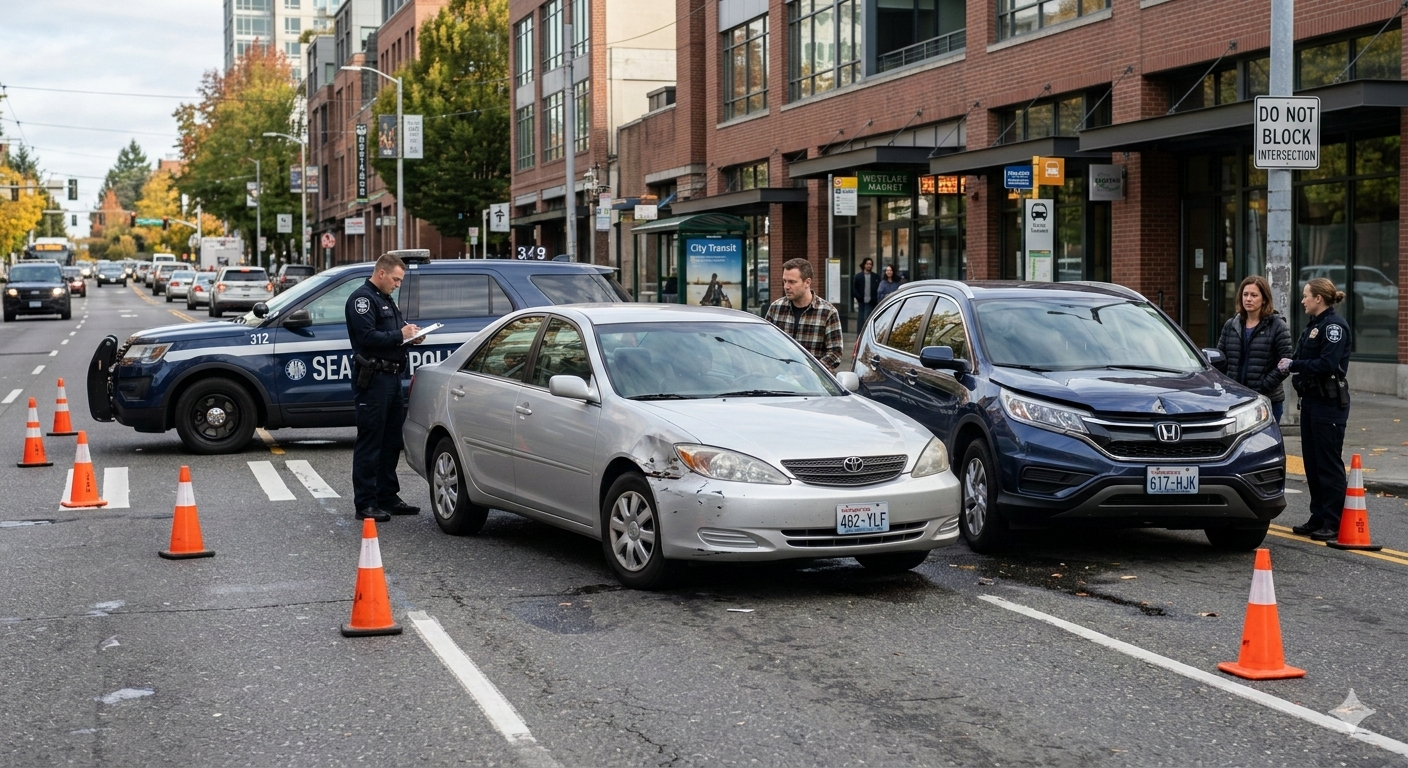
Car accidents are unfortunately common across the United States. Every year, thousands of drivers experience collisions that result in injuries, property damage, and complicated insurance claims.
Knowing the correct steps to take after a car accident can protect your health, your finances, and your legal rights. Whether the accident is minor or serious, following the right process can make dealing with insurance companies and legal matters much easier.
1. Check for Injuries Immediately
The first priority after a car accident should always be safety. Check yourself and others for injuries. If anyone is hurt, call emergency services right away.
Even if injuries appear minor, it is still important to seek medical attention because some symptoms can appear hours later.
You can also learn more about road safety from the official U.S. transportation safety authority here:
https://www.nhtsa.gov/road-safety
2. Move to a Safe Area
If the accident is minor and vehicles are blocking traffic, try to move your car to the side of the road if it is safe to do so.
Turning on your hazard lights can warn other drivers and reduce the chances of another accident happening at the scene.
Call the Police
In many U.S. states, reporting a car accident to the police is recommended, especially if there are injuries or significant damage.
Police officers usually create an official accident report that includes details about the crash, drivers involved, and possible causes.
This report can become very useful when dealing with insurance companies.
Exchange Information
Before leaving the accident scene, make sure to exchange important information with the other driver.
Important details include:
- Full name and contact number
- Driver’s license number
- Vehicle registration details
- Insurance company and policy number
It is also helpful to take photos of the vehicles, road conditions, and accident scene.
Get Medical Attention
Even if you feel fine after the accident, visiting a doctor is still recommended. Some injuries such as whiplash or internal injuries may not show symptoms immediately.
Medical records can also serve as important evidence if you later need to file an insurance claim or legal case.
6. Notify Your Insurance Company
After the accident, you should inform your insurance provider as soon as possible. Provide accurate details about the incident.
However, avoid admitting fault until the full investigation is completed.
Insurance companies usually evaluate police reports, evidence, and statements before determining who is responsible for the accident.
When to Contact a Car Accident Lawyer
In minor accidents, insurance companies may resolve claims quickly. However, in more serious cases, hiring a lawyer may be helpful.
You may want to contact a lawyer if:
- Someone was seriously injured
- The insurance company denies your claim
- The settlement offer is too low
- Liability for the accident is disputed
An experienced lawyer can help negotiate with insurance companies and protect your legal rights.
Frequently Asked Questions (FAQs)
- Medical expenses
- Lost wages
- Vehicle repair costs
- Pain and suffering
- Rehabilitation expenses
1. Should I call the police after a minor car accident?
Yes, calling the police is often recommended even in minor accidents. A police report provides official documentation that can help during insurance claims.
2. How long do I have to file a car accident claim in the USA?
The time limit depends on the state, but in many states it is usually between 2 to 3 years after the accident.
3. Do I need a lawyer after every car accident?
Not always. For small accidents with minor damage, insurance companies may handle the situation. However, if injuries or major financial losses are involved, consulting a lawyer can be helpful.
4. What compensation can I receive after a car accident?
Compensation may include:
5. How much does a car accident lawyer cost?
Many car accident lawyers work on a contingency fee basis, meaning they only get paid if you win the case or receive a settlement.
Conclusion
Car accidents can be stressful, but knowing what steps to take can protect your safety and legal rights. Always prioritize medical care, gather important information, and report the accident properly.
If the situation becomes complicated or involves serious injuries, seeking legal advice can help ensure you receive fair compensation.